Easter Bunny Nurse SVG & Leopard Bunny SVG Review
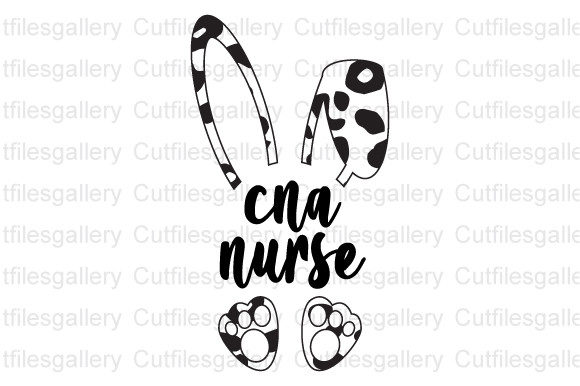
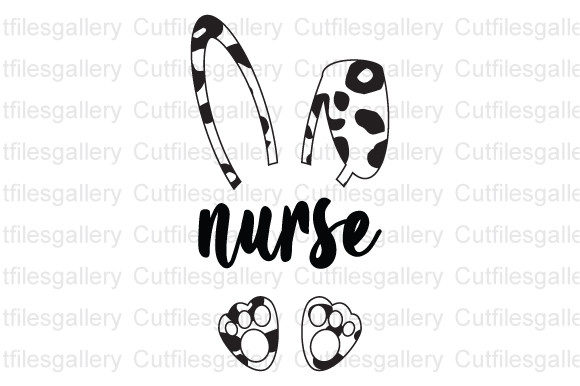
I have looked at hundreds of themed cut files over the years, and every so often one comes along that makes me pause and think about the actual stitching life it will lead. The Easter Bunny Nurse SVG, Leopard Bunny SVG bundle is exactly that kind of design. It is not just a seasonal graphic. It is a character-driven concept that blends two distinct visual personalities, and that mashup creates a surprisingly versatile starting point for embroidery projects, handmade gifts, and small shop merchandise.
Before I ever load a file into my software, I ask myself one question: what does this design want to become? With this one, the answer came fast. It wants to live on a soft sweatshirt, a structured tote bag, a baby onesie, or a playful kitchen towel. It has that kind of energy. The nurse theme gives it a heartfelt, appreciation-driven angle, the leopard print adds an unexpected edge, and the Easter bunny silhouette keeps it seasonal without being childish. That balance is harder to pull off than most people realize.
First Impression of the Design Personality
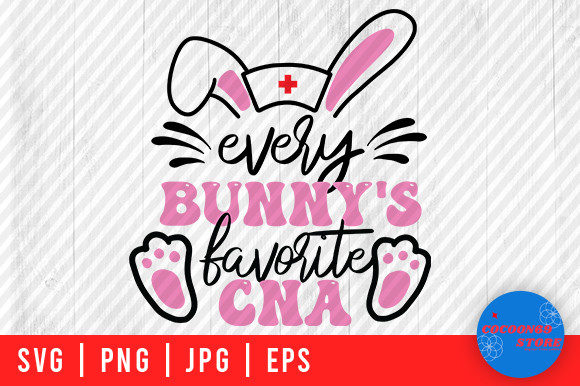
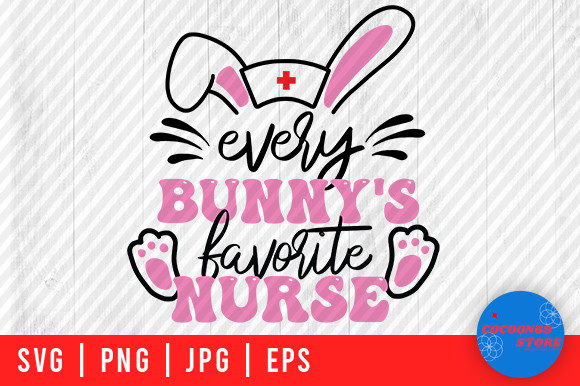
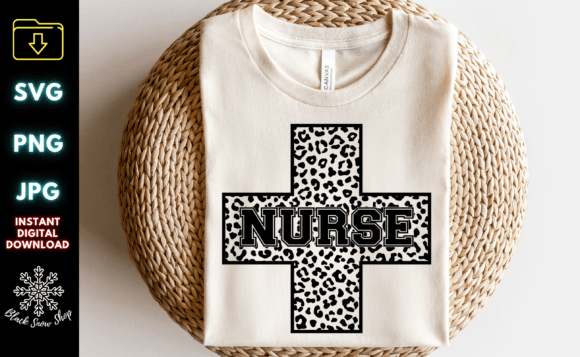
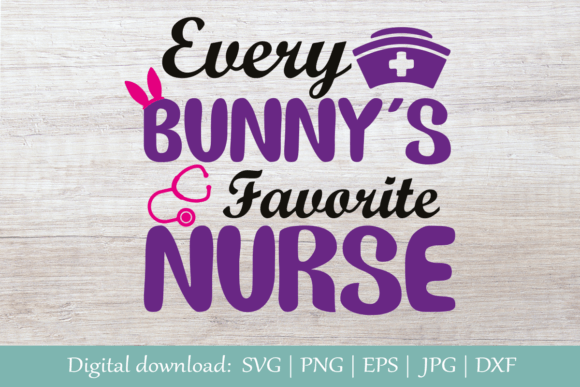
Opening the Easter Bunny Nurse SVG, Leopard Bunny SVG file, the first thing I noticed was the shape language. The bunny silhouette reads clearly even at a thumbnail size, which is a strong indicator of good embroidery potential. The nurse elements, whether they are a cap, a cross emblem, or subtle medical accents, are integrated rather than pasted on. The leopard print texture adds visual rhythm without overwhelming the main subject. In embroidery terms, that means the design can breathe. It will not turn into a dense, muddy mess when stitch fills are applied.
The mood lands somewhere between heartfelt and fun. It is sweet enough for a pediatric nurse appreciation gift, but fashionable enough to sit on a boutique tote bag for a leopard print lover. That dual appeal is rare. Most themed designs lean too hard in one direction. This one gives you room to interpret it across different product categories, which is exactly what a craft business owner needs.
Stitching Clarity and Detail Density
When I evaluate any machine embroidery design for real project use, I look at how details will translate into thread. The leopard print spots are a key feature here, and they need to be handled with care. If the spots are too small or too tightly packed, satin stitch columns will bleed together, and the print effect will be lost. My recommendation is to test the design at the intended stitch size before committing to a final product. Start with a scrap piece of cotton twill or a similar stable fabric, and watch how the spot details render. If the test reveals crowding, simplify the spot pattern slightly in your digitizing software before generating the final embroidery file.
The bunny silhouette itself is forgiving. Rounded shapes stitch beautifully, and the contour lines will give a clean, professional edge. The nurse accents, such as a small cap or cross detail, should be checked for minimum stitch length. If those details are under two millimeters in the digital file, they may cause thread breaks or registration issues on textured fabrics. This is not a flaw in the design; it is standard embroidery logic that applies to any detailed SVG converted for stitching.
Real Project Scenario That Made Me Appreciate This Design
Let me walk you through a real situation. A customer reached out asking for a custom embroidered sweatshirt for her sister, an ER nurse who works long shifts and loves bold animal prints. She wanted something Easter-themed but not cutesy, something that could be worn beyond the holiday without looking out of place. I immediately thought of this Easter Bunny Nurse SVG, Leopard Bunny SVG file.
I tested the design on a medium-weight French terry sweatshirt in a soft blush pink. The leopard print was stitched in a warm caramel thread, the bunny outline in a deep espresso brown, and the nurse cap accent in crisp white. The result was striking. The design held its shape beautifully on the textured fabric, and the contrast between the patterned fill and the solid outline gave it a hand-drawn, artisanal feel. The client loved it. More importantly, her sister reportedly wore it three times in the first week, which is the ultimate compliment for any embroidered apparel piece.
Where This Design Performs Best
Based on my testing, the Easter Bunny Nurse SVG, Leopard Bunny SVG design is a natural fit for several product categories. Here is where I would confidently use it for client work or my own shop inventory:
- Sweatshirts and hoodies — the design scale works well on chest placements and the rounded shape follows body contours nicely.
- Tote bags — canvas totes provide a stable, flat surface that lets the leopard print details shine.
- Baby onesies and toddler t-shirts — the bunny theme is nursery-appropriate, and the nurse angle is perfect for a child of a healthcare worker.
- Kitchen towels and aprons — the seasonal Easter theme combined with a professional appreciation element makes this a thoughtful hostess or coworker gift.
- Pillow covers — a decorative throw pillow with this design adds a touch of personality to a nurse's office or home reading nook.
- Embroidered patches — stitch it on felt or twill backing, trim to shape, and you have a boutique patch for jackets, bags, or scrub caps.
Fabrics and Surfaces to Approach Carefully
Not every surface is a friend to detailed embroidery files. With this design, I would be cautious about using it on highly stretchy fabrics like ribbed knit or thin jersey without proper cutaway stabilizer. The leopard print fill areas create stitch density that can pull and distort on unstable fabric. If you are stitching on a baby onesie, which is often a fine interlock knit, use a fusible mesh stabilizer and consider a water-soluble topper to keep the stitches on top of the fabric rather than sinking in.
Dark fabrics also require extra attention. The bunny outline and the nurse accents may need to be rethreaded in lighter or contrasting colors to maintain visibility. On a black sweatshirt, for example, a dark brown bunny outline might disappear. Testing the design in a grayscale mockup is a fast way to check contrast before you ever thread a needle. I do this on every project, and it saves me from wasted blanks and frustrating rework.
Curved surfaces like baseball caps are trickier. The design's width and the leopard print detail may not register cleanly on the curved cap front, especially near the seams. If a cap project is a must, consider reducing the design size and centering it carefully, or using only the bunny silhouette portion without the full print fill. Small hoop sizes, such as a 4x4 inch frame, will also limit your options. Measure your available stitch area before scaling the design down.
Thread Color Choices and Visual Impact
The leopard print gives you a playground for creative thread choices. I have tested this with traditional tan and brown leopard tones, but I also experimented with a dusty rose and cream palette that gave the design a softer, springtime feel. The nurse elements pop best when they contrast with the bunny body, so a white or light blue cap against a warm-toned leopard print works beautifully. Avoid using variegated thread on the leopard spots unless you have tested it thoroughly. Variegated thread can create unintended color pooling that muddies the pattern effect.
For the bunny outline, a satin stitch in a medium weight thread, around 40 weight, gives a smooth, polished edge. The fill stitch for the leopard print can be a tatami or fill pattern with a slight angle change to distinguish the spots from the base. If you are digitizing this from the SVG yourself, experiment with fill direction on the spots to create subtle texture variation. It elevates the finished product from crafty to boutique-quality.
Customer Reaction and Product Value
I pay close attention to how people react to finished embroidery pieces. With this design, the reaction is consistently positive and often personal. Customers see the nurse element and immediately think of someone they know in healthcare. The Easter angle makes it a timely gift, but the leopard print keeps it from feeling like a one-day holiday item. That extends the product's selling window and increases its practical value in a handmade shop or Etsy listing.
From a pricing standpoint, a design that blends three themes in a visually cohesive way, animal print, holiday, and professional appreciation, gives you more keyword reach and buyer interest. You can market it as an Easter gift, a nurse appreciation present, or a trendy animal print accessory. That flexibility is a real advantage for small business owners managing seasonal inventory and limited listing slots.
Practical Designer Notes Before You Stitch
If you are planning to use the Easter Bunny Nurse SVG, Leopard Bunny SVG file for embroidery projects, here are the steps I recommend taking before you stitch on a final blank:
- Test on scrap fabric first. Use a fabric similar to your final product. Check how the leopard spots render and whether any small details need adjustment.
- Review your hoop size. Confirm the design fits comfortably within your available embroidery area, leaving at least half an inch of clearance on all sides for proper hooping.
- Check thread color contrast. View the design in black and white to make sure the nurse accents and bunny outline stand out from the leopard print fill.
- Select the right stabilizer. For stable wovens, a medium cutaway works well. For knits, use a fusible mesh or a cutaway with a topper.
- Inspect the stitch density. If you are digitizing from the SVG, watch for overly dense areas in the spot pattern. Adjust fill spacing as needed.
- Confirm licensing terms. The download includes one SVG, one DXF, and one PNG file. Before using the design on products for sale, verify what commercial use is permitted. This is standard practice and protects your business.
- Test on light and dark fabric. A design that looks great on natural canvas may need thread color adjustments on black or navy fabric.
File Format Versatility for Craft Businesses
The package includes SVG, DXF, and PNG formats, which is a practical spread for a craft business. The SVG format is the core for embroidery digitizing and cutting machine use. The DXF file gives you compatibility with software that prefers that format, and the PNG is useful for creating printable mockups, listing photos, and social media previews. When I am preparing Etsy listings or client proofs, a clean PNG of the design on a mockup background helps customers visualize the final product. Having that file included saves me the step of exporting my own preview image.
For Silhouette Cameo or Cricut users who also do heat transfer vinyl or paper crafts, the SVG and DXF files open up additional project types beyond embroidery. The design could work as a vinyl decal on a mug, a cardstock cutout for a greeting card, or a screen print graphic. That cross-compatibility adds value to the download, especially if you run a multi-craft product line.
Final Thoughts From the Stitching Table
After working with the Easter Bunny Nurse SVG, Leopard Bunny SVG design on several real projects, I can say it earns its place in a maker's digital library. It fills a niche that is specific enough to attract buyers searching for nurse-themed Easter gifts, but visually interesting enough to catch the eye of a casual browser who loves animal print. The design stitches out cleanly when prepped correctly, and it adapts well to a range of products from apparel to home decor.
For embroidery designers, Etsy sellers, and handmade shop owners, this is the kind of design that turns a quick seasonal project into a memorable product. It tells a little story, and that storytelling quality is what makes customers pick up a tote bag or a sweatshirt and say, "I need this for my friend." That connection is the real value in any embroidery design, and this one has it in spades.