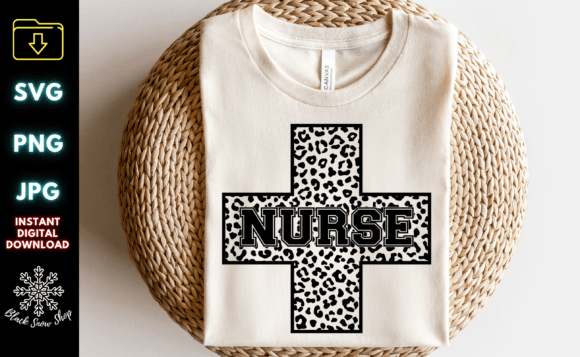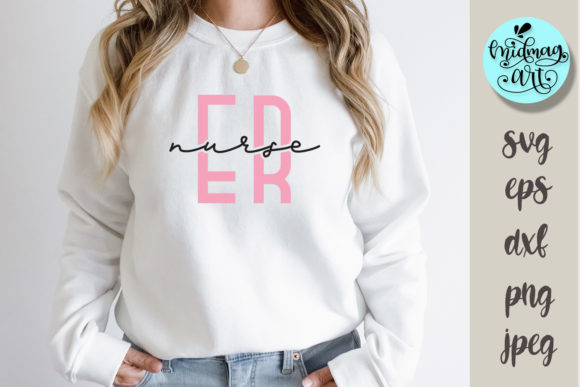
ER Nurse SVG & Nurse SVG: A Designer’s Practical Review
As a professional embroidery designer, I’m always evaluating digital design files before I commit them to thread and fabric. When I first saw the ER Nurse SVG, Nurse SVG, I immediately thought about the growing demand for custom medical-themed merchandise. This file promises a clean vector graphic that I can use to create a machine embroidery design, but the real test is how it holds up under the needle. Let me walk you through my honest assessment of this design for real embroidery projects.
First Impressions of the ER Nurse SVG Design
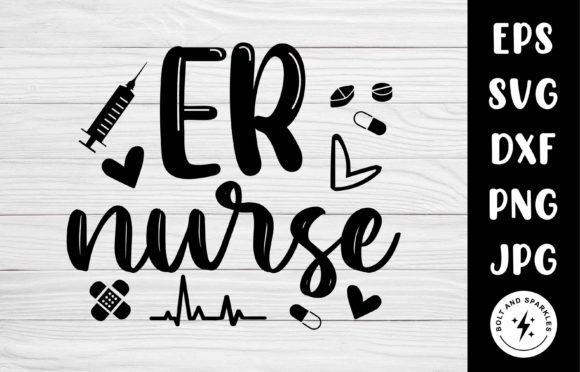
At first glance, the ER Nurse SVG has a bold, confident look that feels both professional and heartfelt. The layout seems to balance text and graphic elements effectively, making it suitable for a variety of embroidery applications. The lines are crisp, which is a good sign for digitizing, because jagged edges or overly intricate details can turn into a mess of stitches. The visual personality is direct and proud—exactly the kind of image that resonates with healthcare workers and their families. I could see this design working beautifully on a crisp white tote bag or a deep navy sweatshirt. The mood it creates is one of recognition and gratitude, which is a powerful emotional hook for buyers.
Real-Life Embroidery Scenario: Stitching for a Nurse’s Gift
I recently had a client request a custom embroidered tote bag for her daughter, an ER nurse. This design immediately came to mind. I imagined how the ER Nurse SVG would look after being digitized with a combination of satin stitches for the lettering and a light fill stitch for any accompanying graphic. The bold text would stand out on a sturdy canvas bag, and the theme would instantly connect with a healthcare worker. I could also see it as a framed hoop art piece for a nurse’s break room or a decorative pillow cover for a nurse’s home. The design’s straightforward layout means it would read clearly even from a distance, which is essential for a product that often gets used in public spaces like hospitals or clinics.
How the Design Performs in Different Embroidery Projects
Because the SVG file is scalable, I can resize it to fit a 4×4 hoop for a patch or enlarge it for a 10-inch-wide back-of-shirt design without losing quality. This flexibility is essential for a craft business that offers multiple product sizes. Here are some specific projects where this Nurse SVG could shine:
- Custom apparel: Embroidering it on a sweatshirt or t-shirt creates an instant personalized gift for a nurse. The design works especially well on structured fabrics like denim jackets or canvas totes.
- Embroidered patches: With a little editing to simplify the details, the design can become a crisp patch. I’d add a merrowed edge to make it durable and professional.
- Kitchen towels and aprons: For a nurse who loves to cook, a tea towel with this design is a thoughtful, practical gift. The stitching holds up to frequent washing if digitized with proper density.
- Baby items and nursery decor: An ER nurse parent might adore a soft baby blanket or onesie with a mini version of the design. I’d digitize it with a light fill stitch to keep the fabric soft against the skin.
- Boutique products and Etsy listings: Small shop owners can use this design on tote bags, caps, or pillow covers to create a cohesive, emotional product line that sells well during Nurses Week, graduation, or the holiday season.
The ER Nurse SVG also works surprisingly well for sublimation and printable mockups, but my focus is always on machine embroidery. The clarity of the vector lines helps me quickly map out stitch directions in my software, which saves time.
Careful Considerations for Embroidery Use
Even the best vector design needs careful digitizing. I always test the design on scrap fabric first. For this ER Nurse SVG, I’d pay close attention to the lettering size. If the text is too small, the stitches might bleed together and become illegible. I’d enlarge it slightly for small hoop projects. I’d also check the overall detail density; overly complex areas might need to be converted to a simpler fill stitch to avoid puckering on lightweight fabrics.
Here are some specific situations where you should use the design with extra caution:
- Small hoop sizes: Anything under 4×4 inches could lose the finer details. I’d simplify the design or use a running stitch for the text.
- Textured fabrics: Fleece, terry cloth, or loosely woven linen can swallow up small details. In those cases, I’d choose a larger version and a sturdy stabilizer like a cut-away to keep the embroidery crisp.
- Dark fabrics: The design’s impact depends heavily on thread color contrast. On black or navy backgrounds, I’d use bright white or metallic thread for the lettering so it pops.
- Stretchy fabrics: For baby onesies or performance tees, a good no-show mesh stabilizer is non-negotiable. I’d also reduce the stitch density to maintain the fabric’s stretch and comfort.
- Curved surfaces like caps: The design needs to be carefully positioned and possibly curved to match the hat’s profile. I’d digitize it with a slightly shorter stitch length to prevent gaps over the seam.
I always view the design in a black-and-white mockup first to see if the contrast holds. This simple step has saved me from many thread-color disasters. The Nurse SVG typically performs well in this test because its composition relies on strong shapes rather than subtle gradients.
From Digital File to Final Product: What Matters Most
It’s important to note that the ER Nurse SVG is not a pre-digitized embroidery file. It’s a vector graphic from the Crafts category, sold as a Graphics type. As a designer, I actually prefer this because I have full control over the stitch types and density. I import the SVG into my embroidery software and assign satin stitches to the outlines and fill stitches to larger areas. I can also adapt it for an applique design by adding a placement line. The quality of the original SVG is critical—if the nodes are clean and the shapes are well-defined, the digitizing process is smooth. From what I can see, the ER Nurse SVG has a clean structure that should digitize nicely, though I’d always inspect the file closely in Adobe Illustrator or Inkscape first to remove any unnecessary anchor points.
The zip file contains an SVG and a DXF. For embroidery, I focus on the SVG. I’ve used similar files to create a machine embroidery design that stitches out beautifully on towels, bags, and apparel. The DXF file is more relevant for cutting machine users, but I appreciate the versatility it offers if I decide to pair the embroidery with a vinyl accent on a project.
Practical Embroidery Designer Notes
Over the years, I’ve learned that a few small habits make a huge difference in the final embroidered product. Here’s what I recommend for anyone planning to use the ER Nurse SVG for a real project:
- Test on a similar fabric first. A 10-minute stitch-out on scrap material can reveal issues with thread tension, density, or stabilizer choice before you ruin a good garment.
- Check thread color contrast. Hold the spool against the fabric in natural light. I often use a slightly darker thread for the outline to give the design a crisp, hand-drawn feel.
- Review stitch density. Too dense, and the fabric will pucker; too sparse, and the design looks weak. I aim for a satin stitch width of around 3–4 mm for lettering to keep it readable.
- Confirm hoop size. Always measure the final embroidery area and leave at least a half-inch margin around the design for the hoop. This prevents the design from getting too close to the edge of the hoop, which can cause distortion.
- Inspect small details. Zoom in on the digital file and ask yourself: will this tiny serif or decorative element translate into thread? If not, simplify it.
- Use proper stabilizer. For most projects, I start with a medium-weight cut-away stabilizer. For knits, I add a layer of water-soluble topping to keep stitches from sinking in.
- Check licensing. Since this is a digital file for craft use, always confirm the license terms before selling finished physical products. I never assume commercial use is allowed—I look for the seller’s terms or contact them directly. This protects your small business and keeps your handmade products legally safe.
The Impact on Customer Appeal and Brand Value
In my experience, medical-themed designs have a loyal, heartfelt audience. A well-executed ER Nurse embroidery on a high-quality tote bag or sweatshirt can become a bestseller, especially around Nurses Week or graduation. The design’s sincere, professional look helps build trust and makes the product feel more like a thoughtful gift than a generic craft item. For Etsy sellers or boutique owners, the Nurse SVG can elevate a handmade product line by tapping into a niche that values recognition and resilience.
When I see a finished product with this design, I notice that customers react with an emotional connection. They’re not just buying a bag; they’re buying something that says “I see you, I appreciate you.” That kind of emotional hook translates directly into repeat business and word-of-mouth referrals. The clarity of the embroidery also affects how luxurious the product feels. If the stitches are even and the design is clean, the item immediately looks more expensive and professional.
I’ve also found that using this design on a simple, neutral-colored base—like a natural canvas tote or a soft grey sweatshirt—allows the embroidery to be the star. It’s a smart way to maintain brand consistency if you’re building a cohesive shop aesthetic. The ER Nurse SVG pairs well with rustic, modern, or minimalist branding because of its straightforward, typography-focused style.
Final Thoughts Before You Start Stitching
Overall, the ER Nurse SVG & Nurse SVG is a strong candidate for a variety of embroidery projects. It’s the kind of design that requires a thoughtful digitizing approach, but the end result can be stunning. I’d recommend it to any embroidery designer or craft business owner looking to add a meaningful, nurse-themed product to their collection. Remember to slow down, test carefully, and let the design’s heartfelt message guide your choice of fabric and thread colors. When you combine a clean vector file with skilled digitizing, you end up with a finished product that truly honors the spirit of an ER nurse—and that’s something any customer will want to buy.