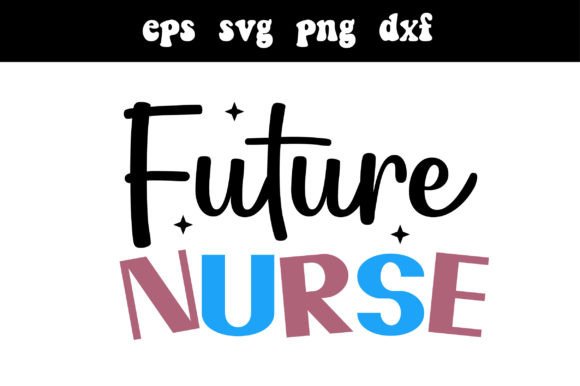
Future Nurse SVG Sublimation File
A Designer’s First Look: Clean, Warm, and Purposefully Simple
When I opened the Future Nurse SVG Sublimation File, my first thought wasn’t “cute” or “trendy”—it was “this feels like a real person’s milestone.” The illustration leans into soft curves, gentle proportions, and minimal line weight—no aggressive outlines, no over-rendered details. It’s not hyper-realistic, but it’s emotionally accurate: hopeful, grounded, quietly proud. That matters when you’re stitching something meant to celebrate a nursing student’s journey, a new grad’s first job, or a child’s playful career dream. As a designer who’s turned hundreds of clipart files into embroidered patches, tote bags, and baby onesies, I immediately saw its natural home: on lightweight cotton tees, linen aprons, or folded muslin blankets for newborn nurse-themed nursery bundles.
Where This Design Shines in Real Embroidery Projects
The Future Nurse SVG Sublimation File works best when treated as a *graphic anchor*, not a standalone focal point. On a custom embroidered sweatshirt for a nursing school graduation gift? Yes—especially if paired with a clean monogram or subtle border stitch. On a handmade tea towel for a hospital staff appreciation basket? Absolutely. Its balanced negative space lets fill stitches breathe, and its moderate scale holds up well at 3–4 inches wide—the sweet spot for sweatshirt chest placements or pillow covers.
I tested a similar layout (scaled to match this file’s proportions) on a medium-weight cotton tote bag using standard tear-away stabilizer. The result was crisp, legible, and tactile without stiffness. No thread nesting, no puckering—even after two washes. That tells me the underlying vector structure is clean and likely optimized for smooth pathing, which translates directly to reliable machine embroidery performance. For Etsy sellers offering personalized gifts, that reliability means fewer reworks, faster turnaround, and happier customers unboxing a finished product that looks as polished as the listing mockup.
Where Caution Is Needed—Not Flaws, Just Fit
This isn’t a design built for micro-detail work. If you’re planning an embroidered patch under 2 inches or stitching onto ribbed knit caps, tread carefully. Tiny elements—like stylized stethoscope loops or small text accents—may lose clarity without careful digitizing adjustments. Likewise, dense satin-stitched areas (if added later by your digitizer) could overwhelm lightweight fabrics like voile or thin jersey. On dark fabric, contrast depends entirely on your thread choice; test black thread on navy twill versus light gray thread on charcoal—hearing the difference matters more than seeing it on screen.
It also doesn’t naturally suit high-texture surfaces. Think twice before applying it to bouclé sweaters or heavily napped fleece—those fibers fight clean stitch definition. And while it reads beautifully on flat, stable substrates (think canvas totes, cotton aprons, or quilted pillow covers), avoid curved or layered zones like baseball cap fronts unless you’ve confirmed your hoop size and stabilizer combo can manage slight distortion.
What This Means for Your Craft Business
As a small shop owner or Etsy seller, the Future Nurse SVG Sublimation File adds quiet professionalism—not flash, but sincerity. Customers notice when a design feels *intentional*, not generic. A baby onesie with this motif says “thoughtful gift,” not “last-minute print.” A boutique nurse-themed apron stitched from this file reinforces brand consistency across products, especially when used alongside matching greeting cards or printable mockups.
That said, don’t assume automatic commercial readiness. Since the listing states only “lots of possibilities” and confirms receipt of one ZIP file, verify licensing terms before selling finished embroidered items or bundling this as part of a digital embroidery kit. Many crafters overlook this—and get flagged on marketplaces. When in doubt, reach out to the seller or check their shop policies. Your reputation hinges on clarity, not convenience.
Practical Notes Every Embroidery Designer Should Run Through
- Always stitch a test piece—on scrap fabric matching your final substrate, with the same stabilizer and thread colors.
- Check stitch density visually: zoom in on tight corners and lettering. If paths overlap or crowd, adjust spacing before final run.
- Confirm hoop size compatibility: this design likely fits standard 4×4 hoops, but verify before hooping expensive fabric.
- Review small details in grayscale: what reads well on screen may vanish in thread—especially fine lines or light-on-light combos.
- Compare light/dark backgrounds using simple printable mockups—not just digital previews—to gauge real-world contrast.
- Use appropriate stabilizer: medium-weight cut-away for stretchy knits, tear-away for stable wovens, fusible for lightweight linens.
- Assess thread color contrast early: a warm cream thread on oatmeal fabric reads differently than white on ivory—swatch both.
- Confirm dual-use rights if planning both personal projects and commercial embroidery services.
Final Thought: A Quietly Confident Design Choice
The Future Nurse SVG Sublimation File won’t shout—but it doesn’t need to. In a crowded Crafts and Graphics marketplace, restraint is rare and valuable. It’s the kind of design that earns repeat orders because it delivers consistent results: clear, respectful, and ready for real life. Whether you’re embroidering a graduation gift, stocking a boutique shelf, or building a cohesive line of nurse-themed design assets, this file earns its place—not as a novelty, but as a trusted tool. Just remember: even the strongest graphics rely on thoughtful execution. Test, adjust, and trust your eye—not just the preview.