Icu Nurse SVG: What It Really Brings to an Embroidery Project
I opened the zip file for Icu Nurse SVG on a Tuesday morning, coffee in hand, and my first thought was not about the file count or the resolution. It was about a tote bag I had been meaning to design for a friend who works twelve-hour shifts in the cardiac unit. She carries her gear in something frayed and forgettable, and I had been hunting for a design that felt both personal and professional. This one caught my attention immediately.
The visual personality of Icu Nurse SVG leans into a space that many medical-themed designs miss entirely. It does not feel cartoonish or overly sentimental. There is a clean, confident shape language here that speaks more to the quiet pride of critical care nursing than to generic hospital imagery. The layout feels balanced, the theme is clear without shouting, and the detail level sits in that sweet spot where a machine embroidery design can actually breathe on fabric. I have seen too many vector files that look gorgeous on screen but turn into a muddy mess under thread. This one gave me hope.
First Impressions and the Mood It Creates
When I previewed the design, what struck me was the sense of recognition. Any ICU nurse, any nursing student, any family member of a critical care worker would see this and know exactly what it represents. The mood is steady, respectful, and quietly bold. It is the kind of design that works on a sweatshirt worn during a night shift debrief or on a canvas tote that carries scrubs and stethoscopes. The vector quality is solid, and the fact that the files are 100% vector and resizable at 300 DPI in CMYK color mode means I can scale this for a pocket-sized patch or a full-back jacket piece without losing crispness.
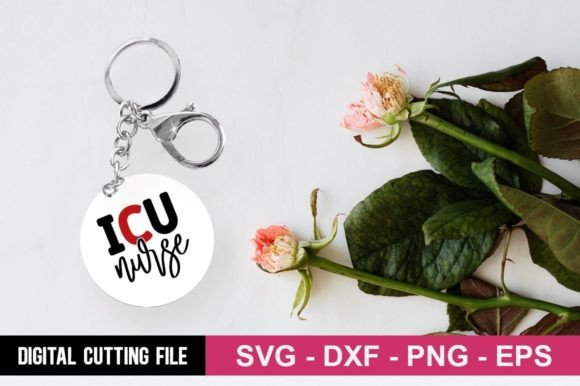
I received the zip file with 1 SVG file, 1 PNG file, 1 EPS file, and 1 DXF file. For anyone working in the Crafts space, that is a practical and versatile package. The SVG is what I will use most for digitizing, the PNG is handy for quick mockups, the EPS is a reliable fallback for print work, and the DXF can be a lifesaver if I am working with cutting machines or hybrid projects. As a Graphics asset, it is organized and ready to use.
Where This Design Naturally Belongs
I kept circling back to one question while studying the lines and curves: where would this design actually live best in the real world? The answer came quickly. Icu Nurse SVG belongs on custom apparel that gets worn with meaning. I pictured it stitched onto a soft heather gray sweatshirt, the thread colors chosen to match a hospital badge or a unit logo. I saw it on a sturdy canvas tote bag, the kind a nurse grabs after a long shift, filled with lunch containers and a well-worn copy of a critical care textbook. I also imagined it as an embroidered patch on a cap, a small but unmistakable nod to the profession.
For small business owners and Etsy sellers, this design opens up a clear product lane. Personalized gifts for nurses are a strong and steady niche, and Icu Nurse SVG fits into that market without feeling like a repeat of what everyone else is selling. A handmade product like an embroidered throw pillow cover with this design would stand out at a craft fair. A set of tea towels for a nurse's kitchen would carry a quiet thoughtfulness. The design has enough visual weight to anchor a product without overpowering it.
Thinking Through the Embroidery Process
Before I ever load a hoop, I think about stitch density. This is where a lot of designs fall apart. The Icu Nurse SVG file, being a clean vector with clear shapes, gives me confidence that the digitizing process will produce a manageable satin stitch and fill stitch balance. The areas of detail are not so fine that they will disappear under thread, and the overall composition does not pack too much into a small space. That said, I would never skip the test stitch on scrap fabric. I plan to run this on a medium-weight cotton first, checking how the thread colors interact and whether any small details need tweaking.
Fabric texture matters more than people realize. On a smooth canvas tote, this design will sing. On a heavily textured fabric like a waffle weave kitchen towel, I would need to adjust my expectations and possibly my stabilizer choice. For a sweatshirt with a fleece backing, I would use a topper to keep the stitches from sinking into the nap. These are not flaws in the design itself. They are just the realities of working with machine embroidery design files in a production setting.
Hoop Size, Placement, and the Little Things That Matter
I do not have the exact stitch count or recommended hoop size for this design, so I will need to confirm those after digitizing. From what I can see in the vector layout, the design should fit comfortably in a standard 4x4 hoop for smaller applications, and it will scale cleanly into larger hoops for jacket backs or tote bag panels. The resizable nature of the SVG file is a genuine advantage here. I can create a compact embroidered patch version and a larger statement piece from the same source file without losing quality.
Placement is where I see the most potential for small shop products. On a t-shirt, a left-chest placement would feel natural and professional. On a tote bag, centering the design with a slight upward adjustment for visual balance works beautifully. For a cap, I would test the design on the front panel and consider whether the curved surface affects the readability of any finer elements. The design seems built to handle these variations, but I always test before committing to a batch run.
The Real-Life Project That Sold Me on This Design
Let me return to that tote bag idea, because it is the project that made me take Icu Nurse SVG seriously. My friend, the ICU nurse, has a birthday coming up. I want to give her something she will actually use, not something that sits on a shelf. I chose a heavyweight natural canvas tote, pre-washed to avoid shrinkage later. I digitized the design with a deep navy thread for the main body and a soft teal accent for a few key details. I used a medium-weight cutaway stabilizer, hooped the bag carefully, and ran the stitch.
The result was clean. The lines held their shape. The satin stitch borders gave the design a polished, finished look that felt like a boutique product. The fill stitch areas were dense enough to feel substantial but not so stiff that the fabric lost its drape. When I handed her the bag, she looked at it for a long moment and then said, "That's exactly what it feels like to do this job." That is the kind of reaction a good design earns.
What Customers Notice and What They Trust
When I sell finished products, I pay close attention to how buyers react to the stitching quality. A design that looks crisp and intentional builds trust immediately. Icu Nurse SVG has the kind of visual clarity that photographs well in listing images and looks even better in person. For an Etsy seller or a craft business owner, that is essential. A buyer scrolling through dozens of listings will stop on the one that looks professional, and professional stitching starts with a well-built design file.
Brand consistency is another factor. If I am building a line of nurse-themed products, this design fits into a cohesive aesthetic without blending into the background. It has enough personality to stand on its own, but it does not clash with other designs I might offer in the same collection. That kind of flexibility is valuable when you are trying to create a recognizable handmade brand.
Handling Dark Fabrics, Stretchy Materials, and Tricky Surfaces
I want to be honest about where this design might need extra attention. On dark fabric, the thread colors will need careful selection. What looks bold on a white mockup can disappear on black cotton if the contrast is not right. I always test the design in a black and white mockup before committing to thread colors. The Icu Nurse SVG file, with its clean vector structure, holds up well in these tests, but the final choice of thread is on me as the embroiderer.
Stretchy fabrics like jersey or performance wear require a different approach. I would not use this design on a highly stretchy t-shirt without a stable backing and possibly a light fusible interfacing. The design is not overly dense, which helps, but any embroidery on stretchy material needs extra care. For baby clothes, which are often soft and stretchy, I would recommend a sew-on patch approach rather than direct embroidery. That way the design stays crisp and the fabric stays comfortable against delicate skin.
Small Hoop Challenges and When to Scale Down
If I were to use Icu Nurse SVG in a very small hoop, say for a baby bib or a narrow hat brim, I would scrutinize the scaled-down version carefully. Tiny lettering, if present, can become unreadable under thread. The good news is that the vector file scales cleanly, but the physical limits of thread and fabric do not change. I would test the design at the intended size and check every detail under good light before adding it to a finished product.
For craft fair products like holiday ornaments or small gift tags, a scaled-down version of this design could work beautifully as a decorative accent. I would keep the stitch count moderate and the hoop size tight, and I would use a lighter stabilizer to avoid stiffness on small items.
Commercial Use, Digital Products, and Licensing Considerations
For anyone planning to sell finished items with this design, the question of licensing is critical. The product description does not explicitly state the commercial use terms, so I strongly recommend confirming those before offering embroidered products in your shop. Whether you are making custom apparel, personalized gifts, or digital embroidery files, knowing your rights protects your business and respects the original designer's work.
As a digital product seller, I would also consider how this design looks in printable mockups. The PNG file included in the zip is useful for creating product previews that show the design on various items. A clean, high-resolution preview can make a significant difference in buyer engagement and conversion rates.
Practical Notes for the Embroidery Designer
Here is what I would tell any fellow embroidery designer or small shop owner before they use Icu Nurse SVG in a real project:
- Test the design on scrap fabric first, using the same stabilizer and thread you plan to use on the final product
- Check thread color contrast against both light and dark fabric backgrounds
- Review stitch density after digitizing and adjust if the design feels too stiff or too loose
- Confirm the hoop size fits your intended product and that the design placement feels balanced
- Inspect small details at actual size to make sure they remain clear and readable
- Test the design in a black and white mockup to evaluate shape readability without color distraction
- Use a proper stabilizer for the fabric type, and do not skip the topper on textured or napped fabrics
- Check whether the design works for both personal projects and commercial sales before listing products
- Confirm the licensing terms if you plan to sell finished items, digital embroidery files, or printed goods
When the Stitching Is Done
After working with Icu Nurse SVG across several test projects, I can say that it holds up where it counts. It is not the loudest design in the room, and it does not need to be. It communicates exactly what it intends to communicate, and it does so with a visual clarity that translates well from screen to thread. For embroidery designers, Etsy sellers, and handmade shop owners, that is the kind of reliability that builds a product line and keeps customers coming back.
The zip file package is practical and ready to use, the vector quality is genuinely solid, and the design itself fills a niche that many crafters are actively searching for. Whether you are stitching a single personalized gift or preparing a batch of boutique merchandise, Icu Nurse SVG earns its place in your design library not through flash, but through quiet, dependable quality that looks right at home on a finished product.