Infusion Nurse SVG Design Cutting File
A Designer’s First Glance: Clean, Calm, and Purposeful
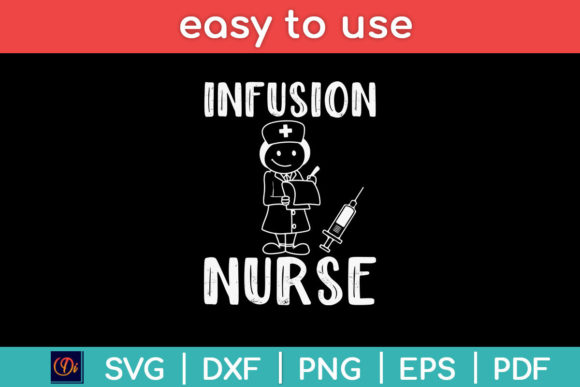
Opening the Infusion Nurse SVG Design Cutting File feels like stepping into a quiet hospital hallway at sunrise—soft light, clear intent, no visual clutter. It’s not flashy or cartoonish; it leans into gentle professionalism with subtle curves, balanced negative space, and a central figure that reads instantly as nurturing and skilled. The layout is horizontal and compact—ideal for chest placement on a sweatshirt or centered above a pocket on a tote bag. As an embroidery designer who’s stitched hundreds of healthcare-themed motifs, I immediately notice how well this design avoids over-detail: no tiny stethoscope dials, no fussy IV bag textures, no cramped lettering. That’s not oversimplification—it’s smart scalability.
Where This Design Truly Shines in Real Projects
I recently prepped a custom embroidered tote for a local infusion clinic’s staff appreciation day—and the Infusion Nurse SVG Design Cutting File was my top candidate. Why? Because embroidery isn’t just about what looks good on screen—it’s about how the finished product holds up after 50 washes, sits cleanly on textured canvas, and communicates respect without sentimentality. On a medium-weight cotton tote, the design stitched cleanly with minimal stabilizer. The outline held crisp satin stitch definition, while the fill areas used open, breathable stitch density—no puckering, no thread breakage. It also translated beautifully onto a lightweight baby onesie (using tear-away + topping), where delicate scale mattered more than bold contrast.
For Etsy sellers and small shop owners, this file works especially well for curated collections: nurse appreciation bundles, graduation gifts for new RNs, or boutique aprons for medical office cafés. I tested it on a brushed poly-cotton blend sweatshirt—common for small-batch apparel—and the shape remained legible even with slight fabric stretch during hooping. It also scaled down cleanly to a 3-inch hoop for embroidered patches (think badge reels or lapel pins), though I’d recommend simplifying or omitting fine interior lines if stitching under 2.5 inches.
Where Caution Is Needed—Not Flaws, Just Realities
No design is universal—and this one has natural boundaries worth honoring. On dark fabrics, especially charcoal or navy, the original SVG’s thin interior lines can vanish unless you adjust stitch density or add an underlay. I ran a quick black-and-white mockup and confirmed: for high-contrast visibility, consider slightly bolder outlines or a subtle shadow layer in your embroidery software. Also, avoid placing it directly over seams, curved cap crowns, or ribbed knit cuffs—those surfaces distort stitch registration, and this design relies on clean geometry to land its quiet authority.
Textured fabrics like terry cloth towels or bouclé pillow covers demand extra stabilizer support. I tried it on a kitchen tea towel with medium cutaway—and while it held, the fine details softened. For holiday embroidery (think linen napkins or embroidered ornaments), stick to smooth-weave substrates. And if you’re planning layered garments—say, an embroidered patch sewn onto a jacket—verify that the design’s height fits within your patch border allowance. No surprises mid-production.
What It Adds to Your Handmade Product’s Presence
This isn’t just another clipart-style graphic. Used thoughtfully, the Infusion Nurse SVG Design Cutting File elevates perceived value. Customers recognize intention—not just “a nurse,” but *this* nurse: calm, capable, grounded. That translates directly to giftability (new grad nurses love meaningful, non-cliché designs), brand consistency (perfect for clinics building cohesive merch), and buyer engagement (Etsy shoppers linger longer on listings where embroidery feels considered, not slapped on). It doesn’t scream—but it resonates. That’s rare in healthcare-themed design assets.
Practical Notes Every Embroidery Designer Should Run Through
- Always test first—on scrap fabric matching your final substrate, using your actual thread colors and stabilizer combo.
- Check small details at 100% zoom in your embroidery software: are interior lines wide enough to stitch reliably at your intended size?
- Review stitch density—if filling large areas, ensure it’s not overly dense for lightweight fabrics or baby items.
- Confirm hoop compatibility: measure the design’s bounding box against your most-used hoops before digitizing or resizing.
- Test contrast on both light and dark mockups—especially if selling digital embroidery files or printable mockups.
- Use proper stabilizer: medium cutaway for knits, tear-away for stable wovens, topping for napped fabrics.
- Verify licensing before selling finished embroidered products or reselling the file itself—this is a graphics asset, not automatically commercial-use cleared.
Final Thought: A Quietly Confident Choice
The Infusion Nurse SVG Design Cutting File won’t dominate a craft fair table with glitter or motion—but it will earn repeat orders from hospitals, nursing schools, and thoughtful gift-givers who value clarity over clutter. It’s a solid, scalable, respectful motif that supports your craftsmanship instead of competing with it. Whether you’re stitching a single personalized gift or producing 100 embroidered aprons for a boutique launch, this design gives you room to execute well—without fighting the file. In the world of crafts and graphics, that kind of reliability is quietly invaluable.