Nurse SVG Design: Skilled Enough to Stitch, Crazy Enough to Love
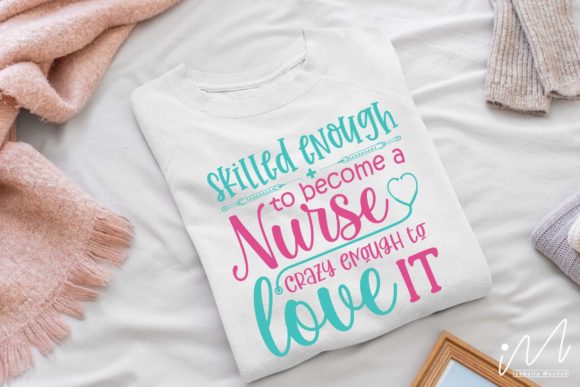
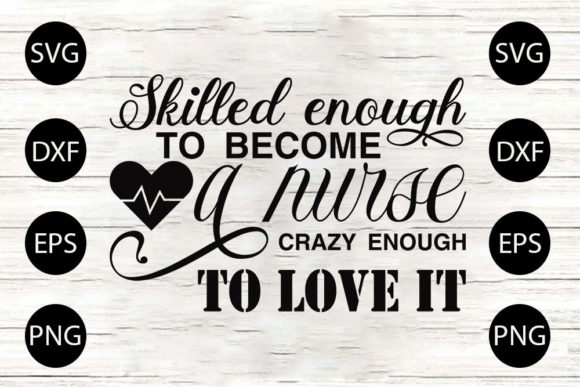
Some designs walk a fine line between professional recognition and personal warmth. The Nurse SVG Design, Skilled Enough to lands squarely on that line with a knowing wink. The full phrase, Skilled enough to become a nurse crazy enough to love it, carries a self-aware humor that nurses and their families instantly recognize. It is not just a title. It is a badge of shared understanding, and from an embroidery perspective, that changes how the design needs to be handled, placed, and presented.
When I opened the file for the first time, the mood was immediate. This is not a sterile medical symbol. It is a personality piece. The layout reads like a statement, not a label, and that matters enormously when you are planning a finished product. A design like this belongs on items that people want to wear, carry, or display with a sense of belonging. It feels like a gift for a graduating nurse, a holiday surprise for a favorite coworker, or a proud addition to a small shop lineup during Nurses Week.
First Look at the Nurse SVG Design Mood and Personality
The shape and composition of the Nurse SVG Design, Skilled Enough to suggest a confident, centered layout. The lettering is the star, and the supporting graphic elements frame it without stealing attention. That is exactly what you want for a design that carries a message people will read twice. The first read is the headline. The second read is the smile. In embroidery, that means the text hierarchy needs to survive the conversion from screen to thread. Based on the file types included in the ZIP, the clean vector structure should translate well into digitizing software, but I always recommend testing the SVG file directly in your preferred program before committing to a stitch run.
The personality of the design leans into a slightly irreverent pride. It acknowledges the difficulty of nursing while celebrating the strange, wonderful dedication that keeps people in the profession. For a maker, that emotional layer adds perceived value. A customer does not buy a sweatshirt with this design just because it looks nice. They buy it because it says something true about them or someone they love. That is a powerful position for a craft business product, and it means the stitching quality has to match the emotional weight.
Where This Design Truly Belongs in Real Embroidery Projects
I mentally placed the Nurse SVG Design, Skilled Enough to on a dozen different products before deciding where it would shine brightest. The first and most natural home is a custom sweatshirt. A crewneck in a soft heather gray or muted teal gives the design room to breathe, and the fabric texture of French terry holds dense stitching well. The lettering, if digitized with a balanced satin stitch, will pop cleanly without puckering, provided the stabilizer is right. I would not go smaller than a 5x7 hoop for a sweatshirt application, especially if the design includes decorative elements that need breathing room around the text.
Tote bags are another strong candidate. A canvas tote with this design stitched near the center creates an instant gift for a nurse who carries supplies, snacks, and a change of shoes. The flat surface of a tote panel is forgiving, and the design's rectangular or slightly oval composition fits the natural proportions of a standard bag face. I have learned that tote bag embroidery sells well at craft fairs and in Etsy shops because the item is both practical and personal. This design adds the right amount of personality without tipping into novelty territory.
For smaller items, I would consider an embroidered patch. The clean lines and bold text of the Nurse SVG Design, Skilled Enough to lend themselves to a patch format that can be sewn onto a jacket, a backpack, or a scrub cap. Patches require careful edge finishing, and the design's outer boundary should be checked in the SVG file to ensure it supports a clean merrowed or satin-stitched border. If the design has fine outer details, those may need to be simplified for small patch sizes. I always test the design at 75% and 50% of its original scale to see what breaks, and I recommend any maker do the same before listing a patch product.
Real Case Scenario: A Custom Embroidered Tote for a New Graduate
Last month, I prepared a batch of personalized gifts for a client whose daughter had just passed her nursing boards. The brief was simple: a tote bag that felt like a celebration, not a corporate award. The Nurse SVG Design, Skilled Enough to was one of three designs I considered, and it ultimately won because of the phrase. The mother laughed when she read it. She said it captured her daughter perfectly, the skill and the chaos blended into one honest sentence. I stitched the design onto a natural canvas tote in a deep navy thread, and the contrast was crisp. The lettering held its shape. The smaller details, which I had worried might close up, remained open and readable. The tote sold itself. The client ordered two more for coworkers before the week was out.
That real-world test confirmed what I suspected. The design works best when the thread color contrasts sharply with the fabric. Navy on natural, white on charcoal, gold on black, teal on cream. Low-contrast combinations, like light gray on white or pastel on pastel, will lose the lettering's edge and flatten the humor. The message needs to be readable from a few feet away, and the embroidery file should be digitized with that in mind. A running stitch for fine details, a satin stitch for the main lettering, and a fill stitch for any larger graphic shapes create the right visual hierarchy.
Careful Considerations for Tricky Surfaces and Small Hoops
Not every product is a safe home for this design. I learned early in my embroidery career that text-heavy designs with personality can fail on the wrong canvas. Stretchy fabrics, like thin jersey t-shirts or performance blends, introduce distortion that turns crisp letters into wavy lines. If a client insists on a t-shirt, I use a heavy cutaway stabilizer and a topper to keep the stitches from sinking, and I still manage expectations. The design will look good, but it will not look as sharp as it does on a woven surface.
Small hoop sizes are another concern. The Nurse SVG Design, Skilled Enough to likely contains text that drops below a comfortable stitching threshold when scaled too far down. I avoid shrinking the design below four inches in width unless I have tested the lettering at that size on scrap fabric. Tiny serifs, thin connections, and enclosed counters in letters can close up quickly, turning a witty phrase into an illegible smudge. For baby clothes, onesies, or infant items, I would choose a simplified version or use the design only on larger sizes. Baby embroidery is delicate work, and a design with this much text needs room to perform.
Dark fabric presents a different challenge. The design file itself may not include a background layer, which means the fabric color becomes the background by default. On black or deep navy fabric, the thread must be bright enough to stand out, and the stitch density must be sufficient to prevent the dark fabric from showing through. I test every dark fabric combination with a stitch-out before offering it to a customer. The same rule applies to caps and hats. The curved surface compresses the design, and the center seam on a structured cap can disrupt the lettering alignment. I position the design carefully, hoop the cap with a firm backing, and keep the design size conservative.
How the Design Affects Product Value and Customer Trust
When a handmade product carries a design that feels authentic and well-executed, the buyer's trust increases immediately. The Nurse SVG Design, Skilled Enough to does not try to be everything. It speaks to a specific audience with a specific sense of humor, and that specificity is a branding advantage. A small shop that sells nurse-themed merchandise can build a cohesive collection around designs like this. The consistency of the visual style, the quality of the stitching, and the emotional resonance of the message all work together to create a product that feels worth the price.
From a presentation standpoint, I always photograph finished products with this design in natural light, on a neutral background, and with a sense of context. A tote bag hanging on a hook, a sweatshirt folded on a wooden surface, a patch pinned to a corkboard. The lifestyle cues help the buyer imagine the item in their own life, and that increases engagement. The design itself is strong, but the presentation seals the sale. I also include a close-up shot of the stitching so buyers can see the thread quality and the crispness of the lettering. That level of transparency builds repeat customers.
Practical Designer Notes Before You Stitch or Sell
Every experienced maker develops a pre-project checklist, and I run through mine every time I work with a new design file. For the Nurse SVG Design, Skilled Enough to, here is what I recommend:
- Test on scrap fabric first. Run a full stitch-out on a piece of fabric similar to your final product. Check for thread breaks, tension issues, and letter clarity.
- Check thread color contrast. Hold the stitched sample at arm's length. Can you read the phrase clearly? If not, adjust the thread color.
- Review stitch density. Overly dense stitching on lightweight fabric causes puckering. Underly dense stitching on dark fabric lets the background show through. Find the balance.
- Confirm hoop size. Measure the design dimensions in your digitizing software and match them to your available hoops. Leave at least half an inch of clearance on all sides.
- Inspect small details. Zoom in on the SVG file and look for thin lines, tight corners, and overlapping shapes. These may need simplification before digitizing.
- Test in black and white. Convert the design to grayscale to see how it reads without color. A strong design holds its shape in monochrome.
- Compare light and dark fabric backgrounds. Stitch the design on both a light and a dark fabric scrap to see how the thread behaves.
- Use proper stabilizer. Match the stabilizer to the fabric type. Woven fabrics need cutaway stabilizer. Knits need a topper. Delicate fabrics need a gentle touch.
- Check licensing before selling. The ZIP file contains EPS, SVG, PNG, and DXF formats, which are standard for digital design assets. Verify that the license allows commercial use on finished products if you plan to sell embroidered items. Do not assume. Confirm.
File Formats and What They Mean for Your Workflow
The ZIP file includes EPS Files, SVG Files, PNG Files, and DXF Files. For embroidery digitizing, the SVG and EPS formats are the most useful because they preserve vector paths that can be imported into digitizing software. The PNG file is helpful for creating printable mockups, product listings, and social media previews. The DXF format may be useful for those working with cutting machines or laser engraving alongside embroidery. The presence of multiple formats makes the design flexible across different crafts and production methods, which is a practical advantage for a creative entrepreneur who works in more than one medium.
One thing I always remind fellow makers: the design file is a starting point, not a finished embroidery file. You will need to digitize it for your specific machine, hoop size, and fabric type. The quality of the original vector art matters, and from what I can see in the Nurse SVG Design, Skilled Enough to, the foundation is clean and well-structured. That saves time and reduces frustration during the digitizing process.
Why This Design Works for Craft Businesses and Etsy Sellers
The nurse market is steady, emotional, and gift-driven. People buy nurse-themed products for graduations, holidays, retirements, and everyday encouragement. A design that blends professional pride with a sense of humor stands out in a crowded category. The Nurse SVG Design, Skilled Enough to gives sellers a product that feels personal without being overly sentimental. It works on a tote bag, a sweatshirt, a patch, a pillow cover, or a kitchen towel. It fits into a Nurses Week collection or a year-round gift lineup. It appeals to nurses buying for themselves and to friends and family buying for the nurse in their life.
From a handmade product perspective, the design adds value because it tells a story. A customer who buys an embroidered item with this phrase is not just buying a bag. They are buying a moment of recognition. That kind of emotional connection justifies a higher price point and encourages word-of-mouth sharing. The stitching quality, the fabric choice, and the presentation all support that value, but the design is the anchor. Everything else builds around it.
Final Thoughts from the Embroidery Bench
I have worked with hundreds of embroidery designs over the years, and the ones I remember are the ones that understood their audience. The Nurse SVG Design, Skilled Enough to knows exactly who it is talking to. It does not overexplain. It does not try to be universally appealing. It trusts the nurse community to get the joke and feel the pride. As a designer and reviewer, I respect that confidence. As a maker, I know it will stitch well, sell well, and mean something to the person who receives it. That is the combination every embroidery project hopes for, and this design delivers it with a steady hand and a knowing smile.