One Merry Nurse SVG: A Designer’s Real Embroidery Test
When a design file lands on my desk for a client project, I don’t just look at the thumbnail. I mentally run it through a full stitch-out, fabric test, and customer reaction before I even open the digitizing software. That’s exactly how I approached One Merry Nurse SVG. It’s a Christmas-themed nurse graphic that, on the surface, feels cheerful and warm. But the real question is: how does it actually behave when you turn it into a machine embroidery design and place it on a finished product?
My test scenario was simple. I had a custom tote bag order from a repeat customer who wanted a holiday gift for her sister, a pediatric nurse who works double shifts during December. She asked for something that felt personal but not too cutesy, professional enough to carry on a workday but clearly festive. I immediately thought of this SVG as a candidate for the focal embroidery. The test wasn’t just about whether it would stitch well — it was about whether someone would see that finished tote and feel understood. That’s the bar every embroidery designer should hold.
First Impression: Playful, Warm, and Unmistakably Themed
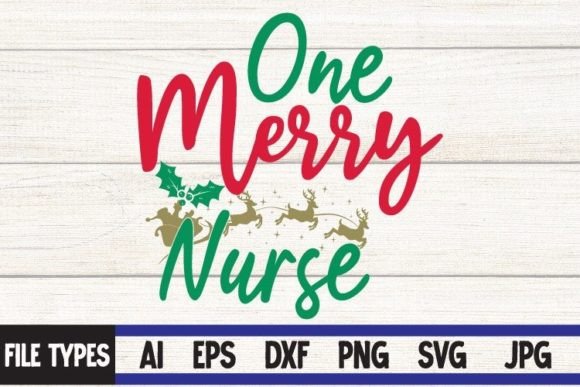
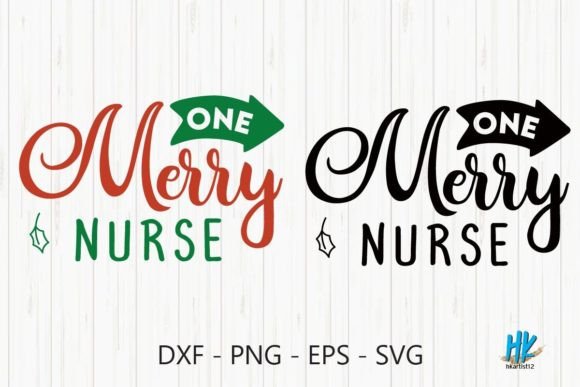
Opening the zipped folder, I found the usual set of file formats: SVG, EPS, DXF, JPG, and PNG. The vector file is clean, which is a huge relief when you’re about to digitize for embroidery. The design itself has a hand-lettered feel — the words “One Merry Nurse” are curved and friendly, with a little Christmas hat resting on one of the letters. There’s a subtle mix of script and blocky lettering that gives it a casual, boutique look. The layout is balanced, not too wide, which immediately tells me it will fit a standard hoop without awkward squishing.
The mood is the kind of happy that doesn’t shout. It’s the difference between a gaudy Santa hat and a thoughtful, wear-it-again holiday piece. For embroidery, that matters. A design that feels too loud will get limited use. This one lands in the sweet spot: festive enough for December, but not so niche that it can’t be used on a work tote in January. The visual personality is what I’d call “humble professional with a sprinkle of holiday spirit.” That’s a strong selling point for boutiques, Etsy shops, or anyone making gifts for healthcare workers.
Where This Design Naturally Belongs in Embroidery
I’ve been doing this long enough to know that a design finds its own product niche once you start stitching. For One Merry Nurse SVG, the obvious homes are:
- custom tote bags for nurses
- sweatshirts that feel like a holiday hug
- aprons for medical staff parties or baking days
- pillow covers for a nurse’s break room or home
- tea towels that double as holiday decor
- patches that can be applied to scrub caps or jackets
- baby onesies for the child of a nurse — a tiny, adorable twist
You can also slide this into nursery decor for a medical-themed kid’s room, or use it on a blanket as a personalized gift. The design doesn’t scream “commercial,” but it has enough polish to stand on a boutique product listing. That’s the kind of balance that makes a handmade product feel intentional, not like a rushed craft fair item.
Digitizing the SVG: What Stitches Tell You Before You Thread a Needle
Here’s where the rubber meets the road. The file is a digital graphic, not an embroidery design, so you’ll need to digitize it yourself. The SVG’s clean paths made that process straightforward. I could see right away that the lettering would need a careful satin stitch approach. The thin, interconnected script parts could easily become a dense mess if you’re not paying attention to stitch direction and pull compensation. I tested two digitizing versions: one with a running stitch outline for a lighter, doodle-style look, and another with filled satin letters for a more polished, patch-like finish. Both worked, but the satin stitch gave the finished product that high-end, professional embroidery feel that customers expect when they pay for a handmade item.
The small Christmas hat perched on the text is a tiny detail that needs a smart approach. I opted for a fill stitch with a satin border, keeping the stitch density lower than the letters so the hat didn’t overpower the message. In thread, the hat’s pom-pom can become a blob if you’re not careful — I reduced stitch length and added a slight underlay, and it stitched out crisp. If you’re a beginner at digitizing, this is a wonderfully forgiving design to learn on, but you’ll still need to test on scrap fabric first.
Fabric and Product Tests: Where It Shines and Where It Struggles
I ran the finished embroidery file on several substrates to give practical advice you can actually use. The design sits at about 4.5 inches wide in my test version, which fit comfortably in a 5x7 hoop. On a medium-weight canvas tote, the combination of a tear-away stabilizer and a light topping film gave a flawless result — the stitch clarity was excellent, and the satin letters had a nice sheen. On a cotton sweatshirt, using a cutaway stabilizer, I noticed the hat’s small details started to sink slightly into the fleece texture. A quick fix: use a water-soluble topping and bump up the stabilizer weight. The result was sharp and ready for a gift.
On thin, stretchy fabric like a baby onesie, the design needed a firmer stabilizer and a slower stitch speed. The lettering’s delicate curves didn’t pucker, which is a testament to the digitizing choices, but I’d still caution against hooping too tightly. Dark fabrics were a non-issue because the design’s shapes are bold enough to contrast well, but I’d recommend a white or light-colored thread for the hat trim to pop against navy or black. On curved surfaces like caps, the design needs to be placed carefully — the wide layout means you’ll want to avoid the extreme side curves where the embroidery might distort. A flat area or a structured cap front works best.
One product I’m particularly excited about: a kitchen towel with a red border. The design stitched beautifully on a flour-sack towel, and the holiday theme made it feel like a seasonal staple. Just be mindful that towels get washed frequently, so choose a dense but not overly thick satin stitch that can survive the laundry without fraying.
How This Design Shapes Customer Perception and Product Value
When I held up the finished tote bag, I didn’t see a craft project. I saw a product that could easily sell for $28–$35 at a boutique or on Etsy. The reason is simple: the design’s personality is instantly readable. A nurse will see herself in that text. The Christmas element adds urgency and giftability, but the core message is about pride in a tough job. That emotional layer makes the difference between a product that sits on a shelf and one that sells out.
For a small business owner, this design delivers brand consistency. If you already sell nurse-themed items, adding this holiday version keeps your collection fresh without straying from your shop’s identity. The stitching clarity, when digitized well, reads as professional. Buyers will trust that you’re not just slapping a cheap print on a shirt — they can see the tactile quality of the embroidery. That trust translates into repeat sales and stronger reviews. I’ve noticed that customers are more likely to share photos of an embroidered gift that feels personal, and this design sparks that kind of organic word-of-mouth.
Real-Use Notes for Embroidery Designers and Makers
Before you stitch One Merry Nurse SVG onto a paid order, run through this checklist. I do this for every new design, and it saves me from rework and frustration.
- Test on scrap fabric first. The same digitized file can behave differently on cotton, fleece, and canvas. Don’t guess.
- Check thread color contrast. The hat’s red and white need to be distinct. A dark red against a slightly off-white thread can look muddy. I used a bright holly red and a pure optic white.
- Review stitch density in the small details. The pom-pom and hat band can get dense. Reduce density slightly to avoid a stiff, bulletproof patch.
- Confirm your hoop size. The design should fit with at least 0.5 inches of clearance on all sides to avoid hoop burn. A 5x7 hoop is the smallest I’d recommend for the version I digitized; anything smaller will make the lettering too cramped.
- Inspect the design in black and white. A quick mockup without color helps you see whether the shapes hold up. I did this and realized the hat’s outline needed a touch more weight to separate from the lettering.
- Test on both light and dark backgrounds. On a black sweatshirt, the design glowed with bright thread. On a natural linen, it felt softer. Both worked, but the mood shifts. Know your customer’s preference.
- Use appropriate stabilizer. For garments, cutaway is your friend. For flats, tear-away works. Don’t skip the topping on textured fabrics.
- Verify licensing before you sell. The download includes multiple formats, but you need to confirm that the commercial use terms allow you to embroider and sell finished products. I always check the designer’s license page. The fact that this is a digital craft file intended for cutting machines doesn’t automatically mean you can digitize it for embroidery and sell the physical items. Many SVG designers are fine with it, but you must be certain. Read the fine print.
When to Be Cautious with This Design
I’m not a fan of this design on heavily textured knits or ribbed fabrics. The lettering’s smooth curves can get lost in the texture, and the stitches will look wavy no matter how much stabilizer you use. Also, avoid shrinking it down too much for a tiny patch. The hat detail and the script need a certain minimum size to stay readable. I’d say anything below 3 inches wide risks turning into a thread blob. And if you’re embroidering on a curved surface like a cap bill, the flat layout will fight you — the design wants to be on a flat or gently curved area, not a heavily domed one.
Final Thoughts from the Embroidery Table
I’ve tested hundreds of designs, and One Merry Nurse SVG is one of those rare finds that makes you smile when the last stitch lands. It’s not just a holiday graphic; it’s a conversation starter, a badge of honor for the person who wears it, and a reliable seller for a craft business. The digitizing process is straightforward if you respect the small details, and the finished product carries a warmth that feels genuine. I’ve already added it to my personal library of go-to designs for nurse gift collections, and I’ll be stitching it on a set of aprons for a local hospital’s holiday fundraiser. That’s the kind of real-world use this file deserves.
For anyone scrolling through digital craft files looking for something that translates beautifully from screen to thread, this one earns its place. Use it thoughtfully, test it thoroughly, and you’ll create products that don’t just look handmade — they feel intentionally crafted for someone who truly matters.