One Sweet Nurse SVG, Valentine Nurse SVG Design Review
The First Glance: Sweetness That Stitches With Heart
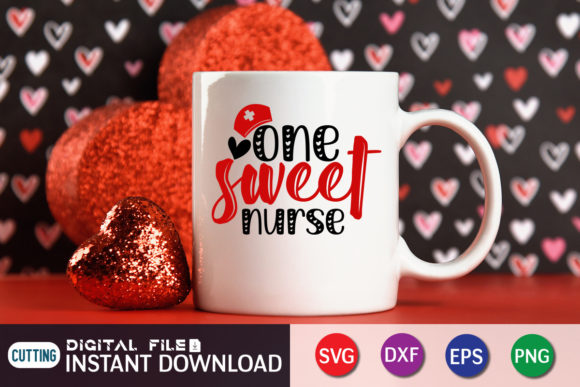
When I first opened One Sweet Nurse SVG, Valentine Nurse SVG, I smiled. This design lands softly, with a gentle, heartfelt mood that makes you think of a surprise gift for a favorite nurse or a handmade boutique piece that actually sells because it feels personal. The layout is clean, the lettering reads clearly, and the overall shape leaves room for creative placement on a tote bag, a cozy sweatshirt, or a little patch. It’s not a design that screams for attention; it whispers warmth, and that’s exactly what works in embroidered gifts.
The Valentine theme paired with a nursing motif creates a narrow but deeply valued niche. You’re not just getting a generic graphic; you’re getting a design asset that directly speaks to someone who deserves recognition. For a designer, that kind of emotional clarity matters. It tells you immediately where this fits: a personalized gift for a nurse on Valentine’s Day, a shop item for a holiday craft fair, or a ready-to-stitch punch of appreciation on a baby shower gift for a mom who works in healthcare.
The detail level is moderate and well-balanced. You have enough character to keep the satin stitch interesting without drowning in tiny elements that turn into mud on a 4x4 hoop. The layered SVG file structure the download provides (SVG, DXF, EPS) is a huge plus for a craft business owner who plans to use the artwork for both cutting and embroidery conversion. The fact that it arrives as a word-by-layer SVG means you can separate the text, hearts, and any decorative accents easily when you bring it into your digitizing software. That’s a practical workflow advantage, not just a marketing bullet point.
Where This Design Truly Belongs: Real Embroidery Projects
I ran through my mental checklist of the products I would actually stitch this onto. The first stop was a durable canvas tote bag. I imagined a crisp white or oatmeal tote with the design placed slightly off-center, stitched in a muted red, deep pink, and charcoal blend. Because the lettering is well-spaced, the running stitch would outline the words cleanly, and the hearts could be filled with a tight satin stitch or even converted to a simple appliqué for a different texture. The finished product would look like a boutique item someone would buy on impulse at a Valentine’s pop-up market.
A sweatshirt is the second obvious home. Picture a heather gray crewneck with the embroidery positioned on the left chest or across the upper back. The design’s shape is compact enough to work in a medium hoop without feeling lost, and the word “Nurse” gives it instant recognition. When I think about customers browsing a small shop or an Etsy listing, this is the kind of custom apparel that makes them pause—not because it’s complicated, but because it hits a personal note. A nurse receiving this as a gift would wear it constantly, and that’s the kind of organic brand visibility every handmade business wants.
For baby items, the sweetness of the theme translates beautifully. A tiny onesie with this design stitched on the chest or a bib set becomes a thoughtful Valentine’s gift for a NICU nurse, a labor and delivery nurse, or a pediatric nurse. The design is gentle enough to sit on a knit baby blanket or a nursery pillow. In these cases, I’d scale the embroidery down carefully, checking that the fine lettering doesn’t close up. A test stitch on scrap fabric is non-negotiable here, but the potential is strong.
Caps and hats are doable if you respect the curve. The design’s horizontal layout fits a cap front fairly well, but you’ll need to adjust the placement so the needle doesn’t fight the seam. On a cap, I’d simplify the stitch density slightly because the substrate is firm and unforgiving. A Valentine’s nurse cap for a scrub shop or a hospital gift booth would be a clever, small-batch product that doesn’t require a huge inventory investment.
Other projects that immediately come to mind: a kitchen towel with a subtle embroidered corner accent, a patch that can be sewn onto a scrub jacket or a tote, an apron for a nurse who loves to bake, and a pillow cover for a clinic’s break room. The design’s versatility is not infinite—it’s thematic, after all—but within its niche, it stretches across a surprising number of handmade product categories. And because it’s a digital embroidery file that you can convert and adjust, the only limit is your own digitizing skill and the stabilizer you choose.
When to Stitch Cautiously: Realistic Hurdles Every Embroiderer Should Know
This design is charming, but not bulletproof. The first thing I check with any lettering-dominant design is how it behaves on textured fabrics. On a thicker terry cloth towel or a waffle-weave blanket, the finer details of the word “Sweet” and the smaller heart shapes could lose definition. I would not default to a dense fill stitch on a towel; instead, I’d use a wider satin stitch or an appliqué approach to keep the edges sharp. Test on a similar fabric scrap first, always.
Small hoop sizes create constraints. If you’re trying to fit this into a 4x4 inch hoop, you’ll need to scale the design down considerably. The lettering might become too fine to stitch cleanly, especially the inner curves of the “S” and the “e.” I’d recommend a minimum hoop size of 5x7 inches for a balanced look, and even then, you should inspect the stitch density before committing to a run of products. No one wants to tear out tiny stitches from a dozen towel blanks.
Stretchy fabric like a thin cotton-spandex blend for a fitted tee is another caution zone. Without a proper cutaway stabilizer and maybe a light basting stitch, the design could distort once the fabric relaxes. I’ve learned the hard way that a design this sweet can quickly turn messy if the hoop tension isn’t perfect. A topper on plush fabrics like fleece or minky is a must, too, unless you want the letters to sink into the nap.
Dark fabrics demand a thread color rethink. The design’s typical Valentine’s palette—pinks, reds, and whites—might not pop on a black sweatshirt without a light underlay or a strategic color swap. I’d experiment with a brighter crimson and a metallic rose gold for the hearts to give it life on a dark background. A quick black-and-white mockup before you load the needle helps you see if the contrast is going to hold up. Don’t skip that step.
Layered garments, like a zip-up hoodie or a jacket with a lining, can be tricky for placement. The design’s width means you need a flat, stable area. Avoid seams that run through the middle of the text. For caps, as I mentioned, the curve is manageable but the design might look slightly bowed if you don’t account for the arc. Small decorative accents like tiny heart dots near the letters could become a pain if the stitch density is too high—they’ll turn into little knots that are hard to pick out. And if the product will be washed frequently, like a scrub top, make sure the embroidery is dense enough to survive but not so dense that it puckers after a few cycles. The sweet spot is a well-digitized satin stitch with a clean underlay, and that’s entirely on the craft business owner to nail down.
How One Sweet Nurse SVG, Valentine Nurse SVG Shapes Your Finished Product and Brand
When you stitch this design onto a handmade product, the visual appeal is immediate and genuine. It doesn’t look mass-produced. The combination of the Valentine’s hearts and the nurse title makes the product feel like a thoughtful, personalized gift even if you’re selling it as a ready-to-ship item. That emotional lift is what turns a simple tote bag into a bestseller around February. Customers who see “One Sweet Nurse” on a sweatshirt in a boutique window or on an Etsy listing will often tag a friend, share it, or buy it on impulse because the recognition factor is high.
Stitching clarity is largely in your hands, but the design’s structure supports you. The clean lines and defined lettering mean that a well-digitized version will look crisp and professional. A messy stitch job will ruin the sweetness, so your reputation as a seller depends on how carefully you convert and test the embroidery file. If you’re offering this as a custom apparel option, the design helps you build customer trust because it’s easy to read and undeniably cute. Buyers don’t have to squint at a busy graphic to figure out what it says. That clarity translates into higher engagement on your product listings and fewer returns or complaints.
For giftability, this design is a star. A nurse receiving an embroidered apron or a throw pillow with this message immediately understands the thought behind it. The design’s simplicity makes it appropriate for a wide age range, from a young nursing student to a seasoned professional. That broad appeal is a quiet advantage for a small shop owner who wants to stock a Valentine’s collection without creating ten different designs. One design, multiple product types, and a consistent brand voice—that’s how you build a cohesive handmade presence.
Brand consistency benefits subtly from designs like this. If your shop already has a clean, heartfelt aesthetic, One Sweet Nurse SVG, Valentine Nurse SVG fits right in. The Valentine’s edition doesn’t force you to adopt a new style; it simply extends your existing line into a seasonal moment. The design’s professional look, when stitched well, signals that you care about quality. That’s the kind of finish that gets your products pinned on Pinterest, saved in shopping carts, and remembered at the next craft fair.
Designer Notes: Practical Steps Before You Stitch a Single Loop
I have a short list of rules I follow before using any digital embroidery file in a client project or a product run, and this design is no exception. First, always test the design on scrap fabric that closely matches your final product. Check thread color contrast under natural light. A dusty pink might look adorable on screen but turn invisible on a light gray tee. Second, review the stitch density after you digitize the SVG. The original graphic is layered and clean, but your conversion software will determine how the satin stitch behaves around the hearts and letters. Adjust the underlay until the stitch-out lies flat without pulling.
Confirm your hoop size before you even open the file. This design’s proportions are friendly, but you’ll want to leave enough room for framing so the embroidery doesn’t bump into the hoop edge. Inspect small details like the heart points and the letter connections. If you’re converting the design into an appliqué, check that the raw edges will be caught by the tack-down stitch. A quick test in a black-and-white mockup will reveal whether the design holds its shape without relying on color. That’s a trick I use for every printable mockup and it saves me from wasting blanks.
Compare how the design looks on light and dark fabric backgrounds. The file doesn’t come with thread recommendations, so you’ll need to choose your own palette. I’d lean toward a soft red, a warm blush, and a tiny bit of chocolate brown for the outlines if you want a vintage feel. For a modern look, crisp white thread on a dark background works beautifully. Always use a proper stabilizer—cutaway for knits, tear-away for wovens—and a topper if you’re stitching on anything fluffy.
Finally, and this is crucial for anyone selling finished products, confirm the licensing terms. The download includes SVG, DXF, and EPS files, which is a generous file set for crafts and graphic projects. The description states it’s a digital download with no physical product. That’s standard for design assets. But before you put an embroidered tote bag up for sale or offer a custom sweatshirt in your Etsy shop, make sure the license allows commercial use on physical items. Many crafters skip this step and run into trouble. Treat the design as a valuable tool, not a free-for-all. A quick check protects your business and respects the artist’s work.
This design earns its place in my embroidery project library. It’s not trying to be everything; it’s a specific, heartfelt piece that, when treated with care, makes a finished product that people actually want to give and receive. For a craft business, that’s the whole point. Stitch it thoughtfully, and it will do the heavy lifting for you come Valentine’s season.