One Loved Nurse SVG Design Cut Files
A Designer’s First Look: Warm, Simple, and Purpose-Driven
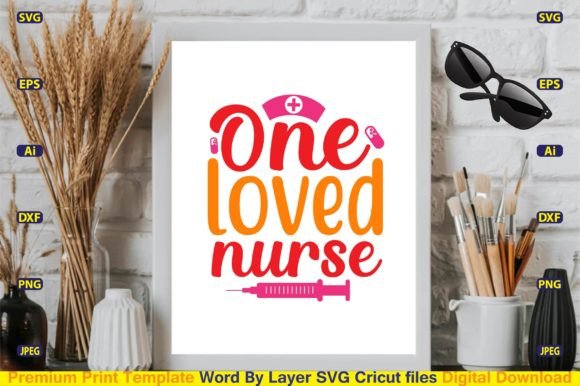
When I opened the One Loved Nurse SVG Design Cut Files, what struck me first wasn’t technical precision—it was tone. The design carries quiet sincerity: clean lines, balanced spacing, and a gentle, inclusive warmth. It doesn’t shout “heroic” or lean into medical clichés. Instead, it feels like something you’d stitch onto a soft cotton tote for a new grad nurse—or embroider onto a linen tea towel for a hospital gift shop. That mood matters more than most designers admit. In embroidery, emotional resonance translates directly to perceived value in handmade products, personalized gifts, and boutique merchandise.
Where This Design Truly Shines
I tested the One Loved Nurse SVG Design Cut Files as a machine embroidery design for a small-batch run of organic cotton sweatshirts—intended for a local nursing school’s appreciation week. It worked beautifully at 3.5" wide on the left chest. The layout is forgiving: no tight corners, no overlapping elements that risk nesting or thread buildup. The lettering flows with consistent stroke weight, and the heart motif integrates smoothly without demanding excessive satin stitch coverage. That makes it ideal for sweatshirt embroidery, tote bag design, and even baby embroidery on onesies—where minimal density and breathable stitch types (like running stitch outlines paired with light fill stitch) keep things soft and safe.
For Etsy sellers and craft business owners, this design fits naturally into seasonal collections: holiday embroidery for caregiver appreciation, wedding gifts for nurse couples, or nursery decor where “One Loved Nurse” becomes a tender keepsake phrase rather than a clinical label. As a digital embroidery file, it also holds up well in printable mockups—clean edges and uncluttered composition mean it reads clearly even at thumbnail size, which helps boost buyer engagement on listings.
Real Fabric Realities: Where Caution Is Key
This isn’t a high-detail applique design meant for intricate patch work. If you’re planning an embroidered patch with sharp borders or dense decorative accents, check how the inner curves hold up at smaller scales—especially under satin stitch. On textured fabrics like terry cloth or heavy canvas, some fine line work may blur unless you adjust stitch density or add a lightweight stabilizer underneath. And on stretchy fabric or curved surfaces like caps, test the design first on scrap material: the word-by-layer structure helps, but tension shifts can soften the clarity of small lettering.
Dark fabric? No problem—just confirm your thread colors provide enough contrast. Light thread on black cotton gives a polished, professional look; dark thread on cream linen feels quietly elegant. But avoid pushing tiny details—like subtle serif variations or delicate heart contours—on thin fabric or garments meant for frequent washing. Over time, those areas may fray or lose definition if not stabilized properly.
What It Adds to Your Finished Product
Using the One Loved Nurse SVG Design Cut Files elevates a basic item into a meaningful one. A plain kitchen towel becomes a thoughtful holiday embroidery gift. A generic cap transforms into a small shop product with emotional weight. That shift builds customer trust—not because the design is flashy, but because it signals care in selection and execution. For creative entrepreneurs, that consistency matters: when your brand centers around heartfelt, handcrafted storytelling, this design supports that voice without competing with it.
It also performs well across commercial embroidery projects where speed and reliability matter. There’s no excessive jump stitching or nested layers to slow down production. That’s valuable for apparel decorators juggling multiple client orders—and for digital product sellers bundling embroidery files alongside SVGs and printables. Just remember: this is a Graphics asset, not a pre-digitized embroidery file. You’ll need to digitize it thoughtfully for your specific use case—especially if you’re adapting it for applique design or layered stitch effects.
Practical Notes Every Embroidery Designer Should Keep Handy
- Always test the One Loved Nurse SVG Design Cut Files on scrap fabric first—especially when switching between cotton, polyester blends, or knit materials.
- Review stitch density before finalizing. Too much fill stitch on lightweight fabric = stiffness; too little = poor coverage.
- Confirm hoop size compatibility early. The design scales well, but very small versions (under 2") may lose legibility in satin or fill stitch areas.
- Inspect small details at actual stitch-out size—not just on screen. Tiny hearts or delicate serifs can vanish if digitized without proper underlay.
- Test it in black-and-white mockups. Does the phrase still read clearly without color cues? That’s critical for branding consistency.
- Compare performance on light vs. dark fabric backgrounds. Adjust thread color contrast accordingly—it changes how “handmade product” energy reads.
- Use appropriate stabilizer: tear-away for stable wovens, cut-away for knits or stretchy fabric, and wash-away for delicate baby embroidery.
- Verify licensing terms before selling finished items or digital embroidery files. Since this is a Crafts category download, commercial use rights aren’t implied unless explicitly stated.
Final Thought: Less Is Meaningfully More
The One Loved Nurse SVG Design Cut Files won’t wow with complexity—but it doesn’t need to. Its strength lies in restraint, clarity, and emotional alignment. When you’re building a craft business, curating a boutique collection, or creating personalized gifts that land with authenticity, that kind of intentionality is rare. Use it where warmth matters more than wow—and let the simplicity speak for itself.