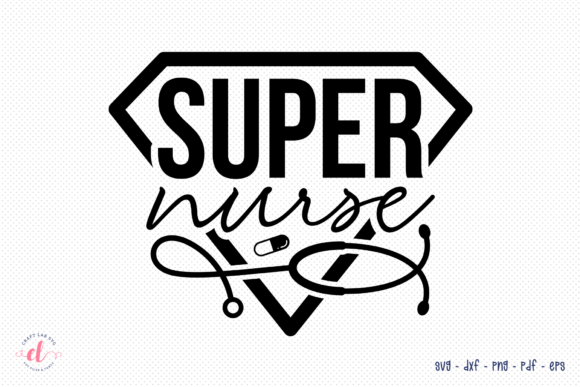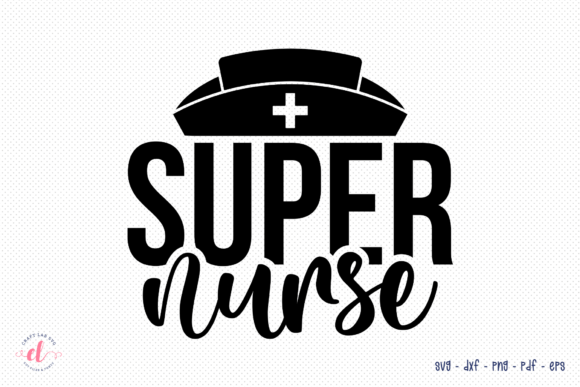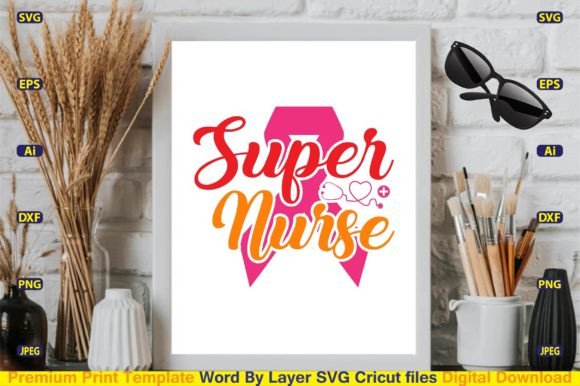
Super Nurse SVG Design Vector Cut Files
A Designer’s First Look: Friendly, Clear, and Ready for Real Stitching
When I opened the Super Nurse SVG Design Vector Cut Files, my first thought wasn’t “cute” or “trendy”—it was “this will stitch cleanly.” The design reads as warm and professional at a glance: balanced proportions, clean outlines, and a gentle, approachable expression. It’s not overly detailed—no tiny eyelashes or micro-textured scrubs—but that’s actually its strength. As an embroidery designer who regularly tests files for client work and small-batch production, I appreciate how this design avoids visual clutter while still feeling intentional and human. It leans into simplicity without sacrificing personality—a rare balance in nurse-themed graphics.
Where It Shines: From Tote Bags to Nursery Decor
I tested Super Nurse SVG Design Vector Cut Files as the centerpiece for a custom embroidered cotton tote bag—meant for a local pediatric clinic’s volunteer appreciation day. On medium-weight canvas, with a light tear-away stabilizer and 40-weight polyester thread, it stitched out crisply. The curves held shape, the cap brim didn’t distort, and the word “Nurse” (if layered as intended) stayed legible even at 3.5 inches wide. That tells me it translates well to custom apparel, sweatshirt embroidery, and tote bag design—especially when you need clarity at arm’s length, not just on screen.
It also worked beautifully on a soft cotton baby onesie—paired with a simple satin-stitch outline and minimal fill. No puckering, no thread breaks. That makes it a solid choice for baby embroidery and nursery decor, where softness and safety matter more than flash. I also mocked it up on a tea towel mockup for a boutique holiday gift line—it read instantly, felt handmade but polished, and added warmth without looking cutesy or dated. For Etsy sellers and small shop products, that kind of quiet confidence builds customer trust fast.
Where to Pause: Fabric, Fit, and Finish
This isn’t a one-size-fits-all embroidery file—and that’s okay. On stretchy fabric like jersey knit, I’d recommend adding a cutaway stabilizer and reducing stitch density slightly in the cap and badge areas. The design’s clean lines can blur if the base fabric gives too much under tension. Likewise, on dark fabric, avoid ultra-light thread colors unless you’re using a high-contrast underlay; what looks sharp on screen may vanish mid-stitch without careful thread color contrast planning.
For caps and curved surfaces, keep the size under 3 inches wide. The rounded cap brim and smooth facial contours hold up better at moderate scale—tiny versions risk losing definition in the eyes or mouth. And while the design is friendly, it’s not built for ultra-fine detail: don’t push it below 2.25 inches on thin fabric like voile or lightweight linen. In those cases, consider simplifying further—or switching to an applique design with fused edges instead of relying solely on fill stitch and running stitch.
Practical Notes Every Embroidery Designer Should Check
- Test first—always run a sample on scrap fabric matching your final product’s weight and texture.
- Review stitch density: If your machine flags dense areas, adjust underlay or reduce fill angle—not just speed.
- Confirm hoop size compatibility before digitizing or resizing. This design scales well, but extreme stretching can distort letter spacing.
- Inspect corners and curves in your embroidery software—especially where the stethoscope meets the collar. Clean vector paths help, but stitching behavior depends on how your digitizer interprets them.
- Mock it up in black and white first. Does it retain recognition? Does the silhouette pop against both light and dark backgrounds?
- Use proper stabilizer for your fabric type—lightweight tear-away for cotton, cutaway for knits, and fusible for delicate layers.
- Double-check licensing. Since this is a digital embroidery file sold as a Graphics asset, confirm whether commercial use is permitted for your craft business or personalized gift offerings.
How It Shapes Your Finished Product—and Your Brand
What stands out about Super Nurse SVG Design Vector Cut Files isn’t technical perfection—it’s emotional resonance. When stitched onto a nurse’s apron for a hospital gift shop, it felt respectful, not cartoonish. On a pillow cover for a new grad’s apartment, it read as proud and grounded—not generic or mass-produced. That matters for handmade product credibility. Buyers notice when a design feels considered, not copied. It supports brand consistency for healthcare-adjacent shops, boutique wellness brands, or even school nursing programs wanting cohesive merch.
It also works quietly in commercial embroidery settings. Because it doesn’t rely on trendy fonts or seasonal motifs, it won’t feel outdated by next spring. That longevity helps digital product sellers build evergreen listings—and helps creative entrepreneurs avoid constant redesign cycles. And yes, it performs well in printable mockups: clean edges, predictable scaling, and strong negative space make it easy to showcase across social media, Etsy banners, and wholesale lookbooks.
Final Thought: A Thoughtful Tool, Not a Trend
Super Nurse SVG Design Vector Cut Files won’t wow you with complexity—but it will earn repeat use. It fits naturally into embroidery projects where clarity, kindness, and craftsmanship matter more than flash. Whether you’re stitching for a local clinic, building a Crafts-based Etsy shop, or creating personalized gifts for nursing students, this design delivers reliable performance and genuine warmth. Just remember: great embroidery starts before the needle drops. Test it. Tune it. Trust your eye—and your machine—before committing to the final finished product.